
Introduction
Biometric meal deduction links each staff meal to a verified identity so UAE canteens stop buddy punching, cut cash handling, and keep a clear audit trail. This guide explains how the process works, who it fits, and how it connects to your wider meal and access stack without inventing unsupported product claims.
Decision line:If your canteen still relies on paper coupons, shared cards, or honor-system trays, biometric meal deduction is usually the fastest control upgrade before you redesign the full kitchen workflow.
What is biometric meal deduction?
What is biometric meal deduction?
Biometric meal deduction is a canteen workflow where a worker proves identity with a fingerprint, face, or similar biometric, then the system records that meal against their entitlement or subsidy balance. The point is not fancy hardware for its own sake. It is a reliable answer to three operational questions: who took the meal, was it allowed, and can finance reconcile it later.
In UAE workplaces this shows up in corporate cafeterias, industrial kitchens, and labor-camp mess halls that already run ameal management systemorsmart canteen management system.
How the deduction flow works
How the deduction flow works
Most deployments follow the same four steps, even when brands and terminals differ:
- Identifythe person at the canteen reader (biometric match against the enrolled template).
- Authorizethe meal against shift rules, site rules, or remaining meal credits.
- Deductone meal (or the priced item) from the entitlement balance.
- Logtime, location, meal type, and operator events for HR and finance.
When enrollment already lives in yourtime attendance systemoraccess controlestate, canteen readers can reuse the same identity rather than creating a second badge culture.
Why UAE canteens adopt it
Why UAE canteens adopt it
- Stop meal sharing and ghost mealsthat paper coupons and shared cards cannot catch.
- Speed peak queueswhen hundreds of workers hit the line in the same break window.
- Tighten subsidy controlfor employers who fund full or partial meals per day.
- Improve reconciliationwith dated, person-level logs instead of end-of-day guesses.
- Support multi-site operationswhere the same worker may eat at different kitchens under one policy.
Labor-camp environments often pair deduction rules with site-specific canteen policy. See also eTOP’s overview of acanteen management solution for labor camps.
Biometric meal deduction vs cards and coupons
Biometric meal deduction vs cards and coupons
| Approach | Identity strength | Typical weak point | Best fit |
|---|---|---|---|
| Paper coupons | Low | Loss, reuse, no person link | Very small sites only |
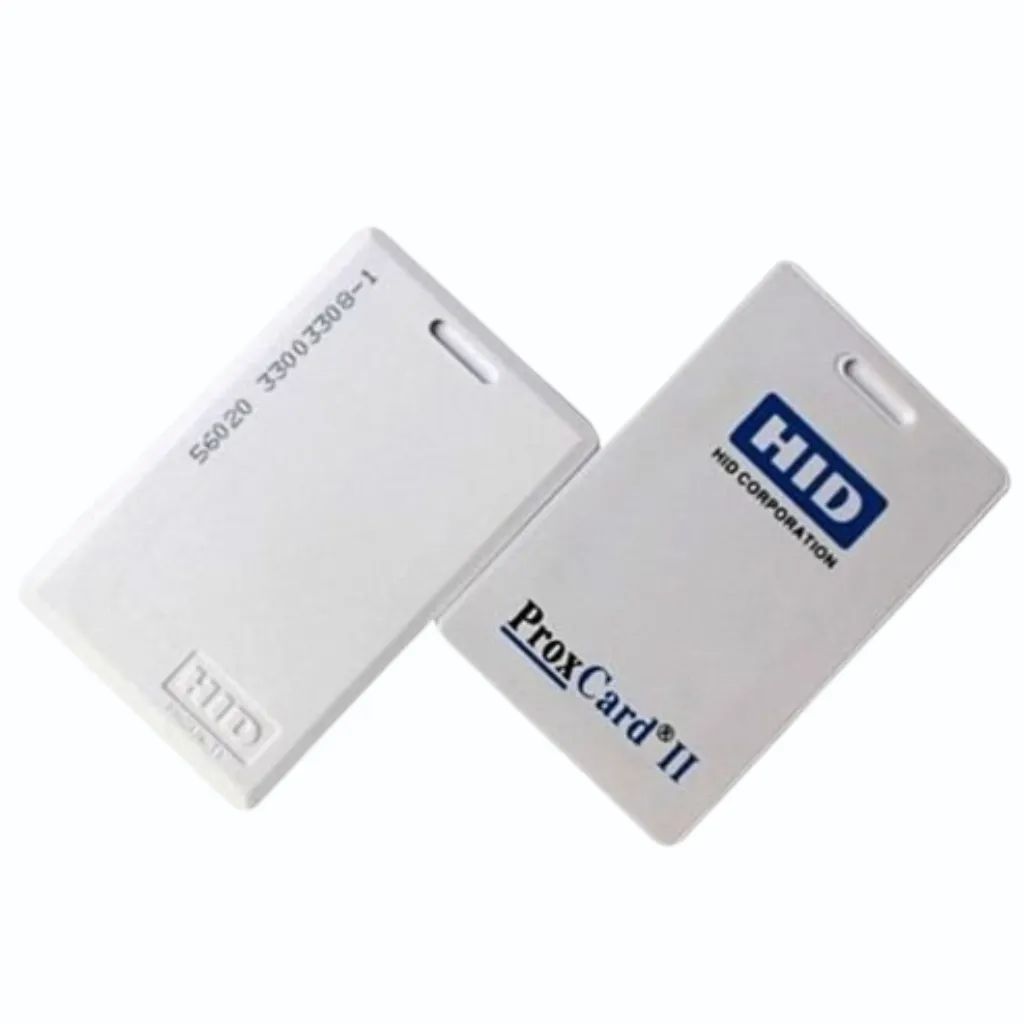
| Magnetic or RFID cards | Medium | Sharing and forgotten cards | Low-abuse offices |
| PIN or QR codes | Medium | Shoulder surfing and forwarding | Temporary contractors |
| Biometric meal deduction | High | Needs clean enrollment and hygiene process | High-volume UAE canteens |
Biometrics do not remove the need for kitchen planning, menu costing, or catering SLAs. They remove the weak identity layer that makes those other controls hard to trust.
What you need before go-live
What you need before go-live
- A clear meal policy (meals per day, overtime meals, guest meals, blocked categories).
- Enrollment plan for every site, including contractors and night shifts.
- Reader placement that does not bottleneck the serving line.
- Fallback process for injured fingers, PPE, or temporary visitors.
- Owner for reports: HR, facilities, or finance must know who closes daily exceptions.
If you are still choosing the wider platform, start from the canteen and meal pages above, then treat biometric meal deduction as the identity rule set those systems enforce at the counter.
FAQ
FAQ
Does biometric meal deduction require a new badge?
Usually no. The point of biometrics is to reduce reliance on shared or lost badges. Many sites still print visitor or contractor badges for non-enrolled people, while permanent staff use the biometric reader.
Can one worker take two meals in one break?
That depends on the policy you configure. Systems can allow one meal per window, allow a paid second meal, or block repeats until the next eligible period. Confirm rules with operations before enrollment day.
Is this only for labor camps?
No. Corporate cafeterias use the same deduction logic when subsidies or headcount-based catering contracts matter. Labor camps simply feel the queue and abuse problems more sharply.
How does this relate to time attendance?
Identity can be shared across attendance, door access, and canteen deduction so HR maintains one person record. The canteen still needs its own meal rules even when the biometric template is shared.
What should we prepare for a demo?
Bring your meal policy, peak headcount per line, and whether workers are already enrolled on eTOP attendance or access devices. That keeps the demo focused on deduction rules rather than generic hardware slides.
Request a demo
Request a demo
Want biometric meal deduction scoped for your UAE canteen or labor-camp kitchen? Talk to eTOP about readers, enrollment, and how deduction ties into your meal management stack.
Contact eTOP· sales@etopme.ae · Dubai +971 4 455 9007 · Abu Dhabi +971 2 650 3433