



A control systems are vital for securing both physical and digital spaces. They determine who can enter a building or access specific information. These systems are crucial for businesses aiming to protect assets and ensure safety.
Access control solutions come in various forms, from simple keypads to advanced biometric scanners. They can be standalone or integrated with other security measures. This flexibility allows businesses to tailor systems to their specific needs.
Access control software plays a key role in managing these systems. It provides centralized control, making it easier to monitor and adjust access permissions. This software enhances security and operational efficiency.
Understanding the basics of access control systems is essential for anyone involved in security management. This guide will explore their components, benefits, and how they can enhance security.
Summary
Access control systems regulate who can access physical spaces and digital resources by combining hardware (readers, locks, biometrics) with centralized software. Core models include DAC, MAC, RBAC, and rule-based approaches, each balancing flexibility and security for different environments. Modern solutions integrate with CCTV, alarms, and building systems to provide real-time monitoring, audit trails, and scalable, customizable permissions. Choosing the right system involves aligning facility size, credential types, deployment model, and budget to optimize security and efficiency.
What Is an Access Control System?
An access control system is a method of managing who can enter or access certain spaces or information. These systems help keep unauthorized individuals out, protecting both physical and digital environments.
Modern access control systems use advanced technologies to enhance security. They can range from simple keypad systems to sophisticated biometric verification. The choice often depends on the specific needs of a business or facility.
Key components of these systems include:
- Card Readers: Used for scanning access cards.
- Biometric Scanners: Identify users through unique biological traits.
- Control Panels: Manage the flow of access data.
Overall, access control solutions are essential for maintaining security in various settings. Their flexibility and scalability make them suitable for small offices or large enterprises. As technology advances, these systems continue to evolve, providing more robust security features. Understanding how these systems work is crucial for leveraging their full potential.
Key Components of Access Control Solutions
Access control solutions consist of several essential components that work together to secure premises. Understanding these components is crucial for deploying effective systems.
At the heart of the system are control panels. These panels act as the brain, processing data and making decisions about who gains access. They integrate with other security systems like cameras and alarms for comprehensive protection.
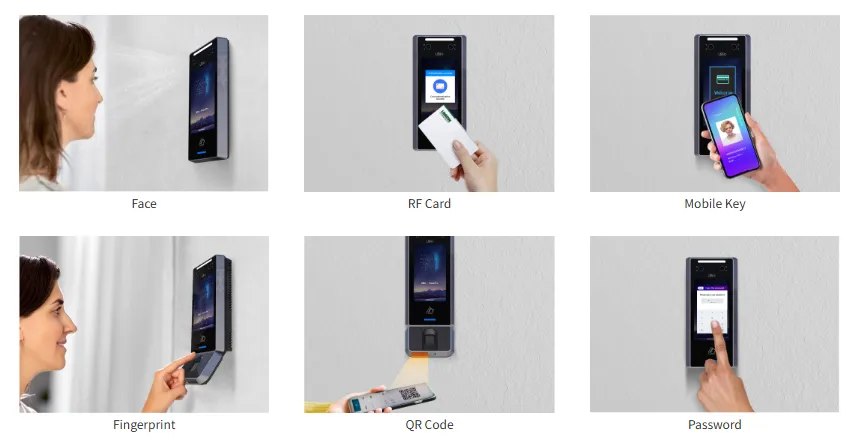
Card readers and keypads are commonly used for entry. They scan cards or accept pin codes to allow entry. Modern systems may also support mobile apps, offering convenient smartphone access.
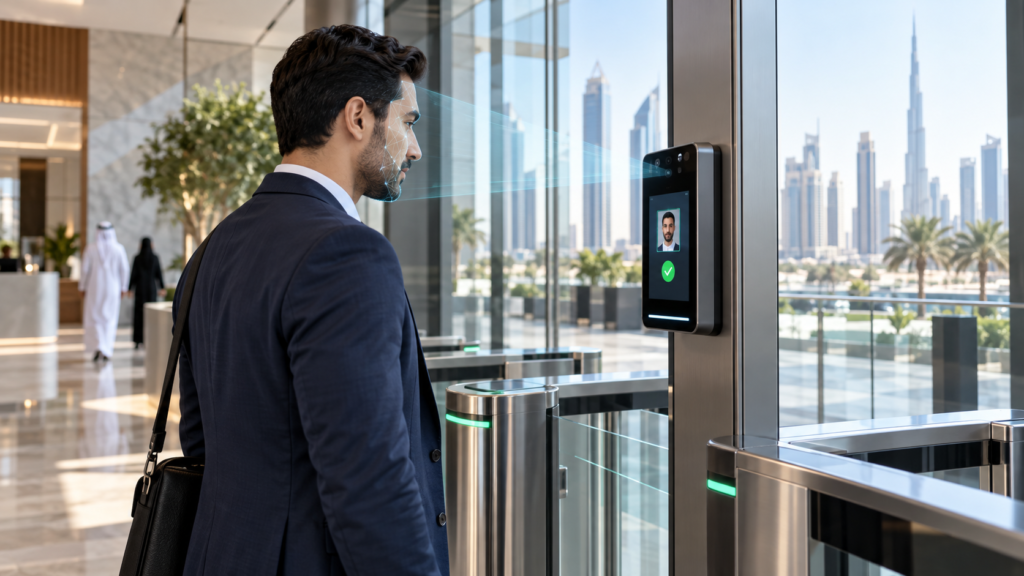
Innovative biometric scanners add an extra layer of security. These devices use fingerprints, facial recognition, or iris scans to verify identities. They significantly reduce the chance of unauthorized access.
Additionally, locks and door hardware ensure that doors secure properly after access. They come in various types, including electronic locks that respond instantly to access permissions. Together, these components create a robust solution for security challenges.
Types of Access Control Systems
Access control systems come in different types, each suited for various needs and settings. Selecting the right type helps ensure optimal security and efficiency.
List of Access Control Types:
- Discretionary Access Control (DAC)
- Mandatory Access Control (MAC)
- Role-Based Access Control (RBAC)
- Rule-Based Access Control
Discretionary Access Control (DAC) is a flexible option. It allows resource owners to set the access rules. This type is user-friendly but might lack stringent security controls.
In contrast, Mandatory Access Control (MAC) provides strict access based on policies. This approach is ideal for environments where security is critical, such as government facilities.
Role-Based Access Control (RBAC) restricts access based on user roles. It is widely used in businesses where employees need different permission levels, offering a balance of usability and security.
Rule-Based Access Control is another option, applying specific rules for permission. This is effective for dynamic environments where conditions determine access. Each type caters to unique security requirements.
How Access Control Software Works
Access control software is the core that manages access permissions and ensures security. It acts as the brain of an access control system, integrating various components seamlessly.
The software processes and authenticates user credentials in real-time. When a user requests access, it matches the credentials against the database. If the credentials are valid, access is granted; otherwise, it’s denied.
Key Features of Access Control Software:
- Real-time monitoring
- Centralized management
- User-friendly interface
- Scalability for business growth
- Detailed reporting and audit trails
This software enables centralized control, supporting a scalable and adaptable security solution. By utilizing advanced features, businesses can streamline operations and enhance security measures effectively. Proper integration with other security systems optimizes both protection and convenience for users.
Benefits of Implementing Access Control Solutions
Implementing access control solutions brings numerous advantages that strengthen security and enhance operational efficiency. One of the primary benefits is heightened security by restricting unauthorized access to facilities and sensitive information.
These systems also streamline operations by automating entry processes. This reduces the need for physical keys, minimizing the risks associated with lost or stolen keys. Access control solutions offer flexibility by allowing businesses to customize access levels for different users.
Key Benefits Include:
- Enhanced security
- Improved operational efficiency
- Reduced risk of unauthorized entry
- Customizable access levels
- Streamlined operations and management
Moreover, these solutions provide robust reporting and audit trails, valuable for compliance and security analysis. Integration with other security measures enhances the overall safety of any facility. Implementing access control not only protects assets but also improves response times during emergency situations.
Integration and Customization Options
Access control systems can easily integrate with existing security infrastructure, offering seamless protection. By connecting with CCTV and alarm systems, they provide comprehensive security coverage.
Customization options allow for tailored access control solutions that fit specific business needs. Facilities can set different access rules based on roles, times, or locations. This adaptability ensures that systems align with operational demands.
Common Integration Options:
- CCTV and surveillance systems
- Alarm systems
- Building management systems
Customization extends to authentication methods, supporting credentials like biometrics or RFID. By embracing these flexible options, businesses can create an access control system that not only enhances security but also meets unique operational requirements.
Choosing the Right Access Control System for Your Needs
Selecting the perfect access control system involves assessing your specific security requirements. Start by evaluating the size of your facility and the number of entry points.
Determine which access methods best suit your needs. Consider whether biometric, RFID, or mobile-based solutions are appropriate. Also, weigh the benefits of cloud-based versus on-premises access control software.
Considerations When Choosing:
- Facility size and layout
- Type of credentials needed
- Budget constraints
By considering these factors, you can implement an access control system that enhances security effectively and aligns with your operational goals.
Conclusion: Enhancing Security with Access Control Systems
Access control systems offer robust security for both physical and digital spaces. By adopting tailored solutions, businesses can improve safety, reduce risks, and streamline operations. Investing in access control is a crucial step towards safeguarding your assets and information.