Find Your Perfect Barcode Printing Consumables
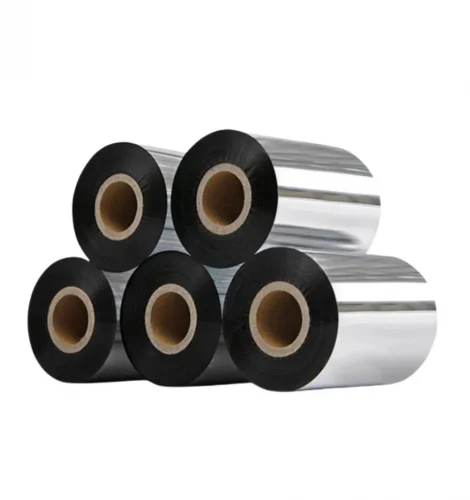
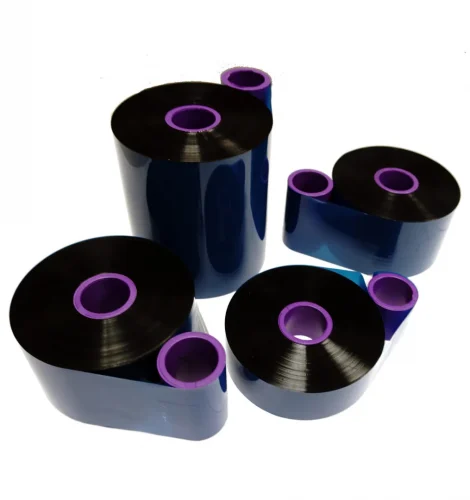
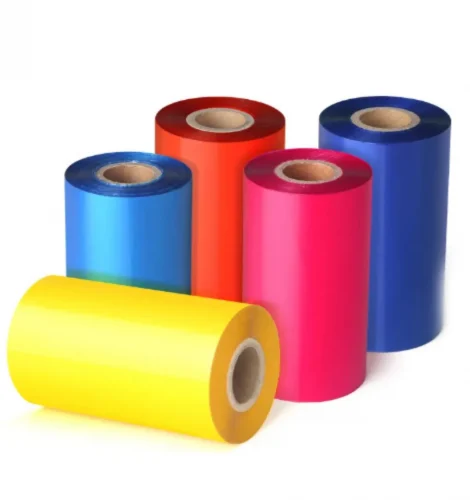
Premium thermal transfer ribbons, wax ribbons, resin ribbons, near edge ribbons, color ribbons & thermal barcode labels — engineered for perfect print quality across all major printers.
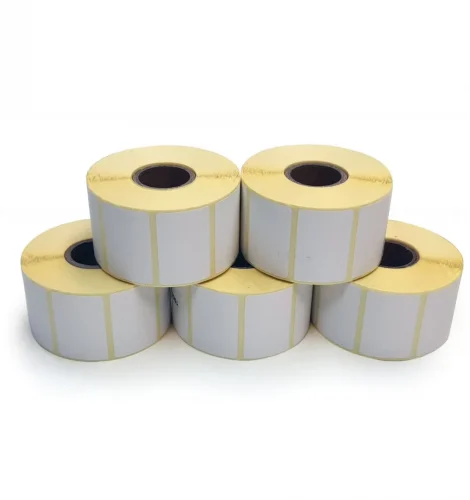
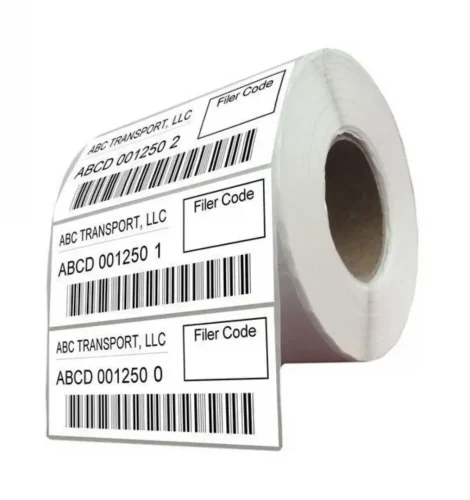
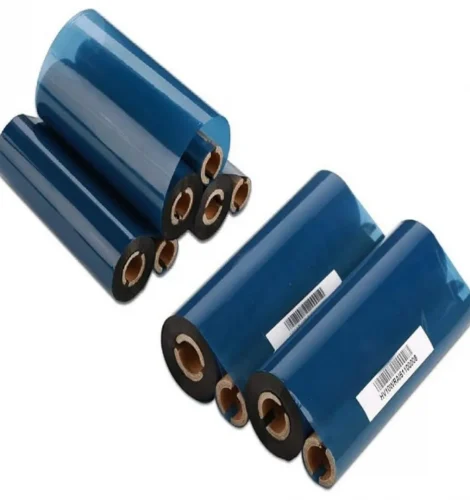
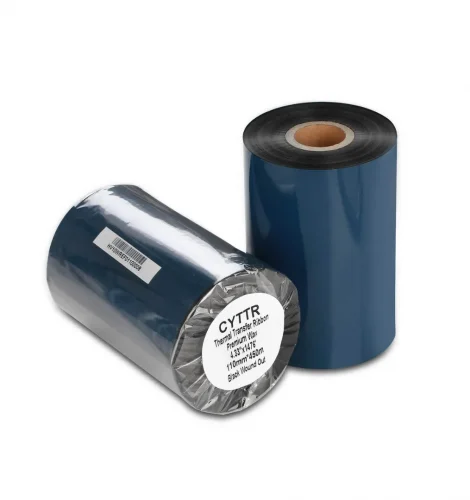
Precision Print Quality
Our thermal transfer ribbons and labels are optimised for sharp, scannable barcodes — from Code 128 and QR codes to GS1 DataMatrix and RFID-embedded labels.

Universal Printer Compatibility
Compatible with Zebra, Honeywell, SATO, Datamax, TSC, Intermec, Citizen, Godex and all major barcode printer brands
Built for Harsh Environments
From cold-chain freezer labels to outdoor asset tags and chemical-resistant resin ribbons
Cost-Optimised Selection
Choose the right ribbon type — Wax for economy, Wax-Resin for balance, Resin for durability
Wax Barcode Ribbons
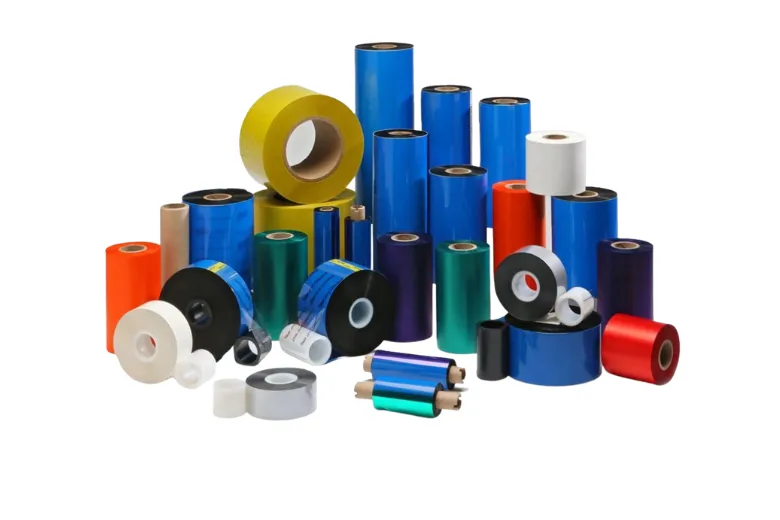
Wax ribbons are the most widely used thermal transfer ribbons for everyday barcode label printing. Ideal for general-purpose applications on paper labels, wax ribbons deliver crisp, legible barcodes at the lowest cost per print. Perfect for retail shelf labels, shipping labels, inventory tags, and warehouse labels printed at high volumes.
- Ideal for standard paper label stock & matte coated paper
- Best for indoor, ambient-temperature environments
- High-speed printing compatibility for maximum throughput
- Cost-effective for high-volume barcode label printing
- Available in standard & premium wax formulations
- Compatible with Zebra, TSC, Godex, and all flathead printers
Common applications include retail price tags, warehouse pallet labels, internal inventory labels, dispatch labels, and courier shipping labels used in controlled environments.
Barcode Ribbons & Labels
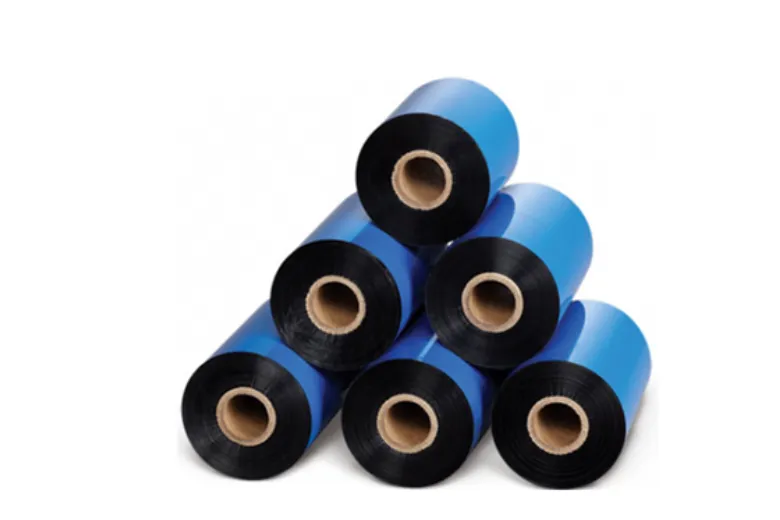
Premium Wax Resin Ribbons
Premium Wax Resin ribbons are the most versatile thermal transfer ribbon type — combining the economy of wax with the durability of resin. The hybrid formulation produces barcodes that are resistant to smudging, moisture, and light abrasion, making them perfect for logistics labels, pharmaceutical labels, food & beverage labels, and general industrial applications.
- Works on paper, coated paper, and synthetic label stock
- Smudge, scratch, and moisture resistant print
- Ideal for logistics, pharma & healthcare labelling
- Excellent barcode readability & contrast ratio
- Compatible with all flathead desktop & industrial printers
- Available in narrow & wide formats for all printer widths
Used widely in food & beverage packaging, medical device labelling, e-commerce fulfilment, cold chain logistics, and automotive parts labelling.
Barcode Ribbons & Labels
Ribbon Type Comparison Guide
Not sure which ribbon is right for your labels? Use this quick-reference comparison to find the best match for your substrate, environment, and print volume.
| Ribbon Type | Cost Per Print | Durability | Chemical Resistance | Substrate | Best For |
| Wax Ribbon | Lowest | Basic | None | Paper only | Shipping, retail |
| Wax Resin Ribbon | Moderate | Good | Moderate | Paper & synthetics | Pharma, logistics |
| Resin Ribbon | Highest | Excellent | High | Synthetics only | Chemicals, outdoor |
Ribbons & Labels
Barcode Printing Consumables
Tell us your printer model, label substrate, and application — we’ll recommend the exact ribbon and label combination for maximum performance.
What is the difference between a wax ribbon and a wax resin ribbon?
When it comes to labels, you’ve got a few options for the kind of ribbon to use. Wax ribbons are a good choice if you’re looking for something cheap and you’re just using plain paper labels indoors. They won’t break the bank, but they’re not the most durable thing in the world. If you need something a bit tougher, you might want to consider wax-resin ribbons. These combine wax and resin to make them more resistant to smudges, scratches, and moisture. They’re a good choice if your labels are going to be handled a lot, or if they’ll be exposed to moisture or light chemicals. Basically, if you want something that can withstand a bit of rough handling, wax-resin is the way to go.
What is the difference between direct thermal and thermal transfer printing?
When labels, there are two main methods: direct thermal and it comes to printing thermal transfer. Direct a simple process that uses special thermal printing is label stock that changes gets hot. This means you don’t need any extra color when it ribbon to make for making labels that you only need for a short time, like shipping labels or receipts. On the other hand, thermal transfer printing uses a ribbon to melt ink onto the label, making the print last a lot longer. This method is perfect for labels that need to withstand harsh it work. It’s great conditions like over time. If you need heat, chemicals, or fading labels even years, thermal transfer is that will last for months or the way to go.
How do I know which ribbon type is compatible with my barcode printer?
Most Zebra, SATO, of these printers work just-resin, and resin ribbons. But fine with standard wax, wax to the right one, you need to check a make sure you get few things. First, the label stock, or be ribbon width has to match your a bit wider. Then there’s the core size – it’s usually 25.4mm or 76mm. And don the wind direction – it’s either ink-in or ink-out. If you’re not’t forget sure, just check your printer’s manual or give us a shout with your printer model and we’ll help you find an exact match.
What types of barcode labels are available for freezer and cold storage applications?
When it comes to labeling items that willzers or used in cold-chain applications, you need to be stored in free special labels that can withstand really use a strong adhesive that keeps low temperatures. These labels have them stuck even temperatures as low as -30°C. You can choose from two types of labels: direct thermal and thermal transfer. Direct thermal labels are great for foods that won’t be stored for a long time, like chilled foods in that will be sold quickly if you need labels that. But will a long time, like on pallets of last frozen goods or in cold storage, thermal transfer labels made of rooms polypropylene are a well with a special kind of ribbon that helps the ink stick to the label.
How long do barcode labels last when printed with a thermal transfer ribbon?
Label life depends on the combination of label material and ribbon type. Paper labels with wax ribbon: typically 6–12 months indoors. Coated paper with wax-resin: 1–3 years. Polypropylene with wax-resin: 3–5 years. Polyester with resin ribbon: 5–10+ years. Environmental factors including UV exposure, chemicals, moisture, and abrasion all affect actual lifespan.
How do I calculate how many ribbons I need per year?
o figure out how much ribbon you’ll need, you can do a simple calculation. First, take the total number of labels you print in a year and multiply that by the length of each label. Then, divide that number by the length of the ribbon, which is usually around 300 or 450 meters per roll. After that, add 10 to 15 percent to account for the waste that comes from changing the ribbon and the leader. For instance, let’s say you print 50,000 labels every month, and each label is 100mm long. That works out to 5,000 meters of labels per month. If you’re using a 300-meter ribbon, that means one ribbon can cover about 3,000 labels. So, in this case, you’d use around 17 ribbons per month, or about 200 ribbons per year. If you want to get a better idea of your ribbon usage and potentially save some money with bulk pricing, feel free to reach out to us for a free analysis. We’d be happy to help you out.